

How a Trading Platform Is Built From the Ground Up
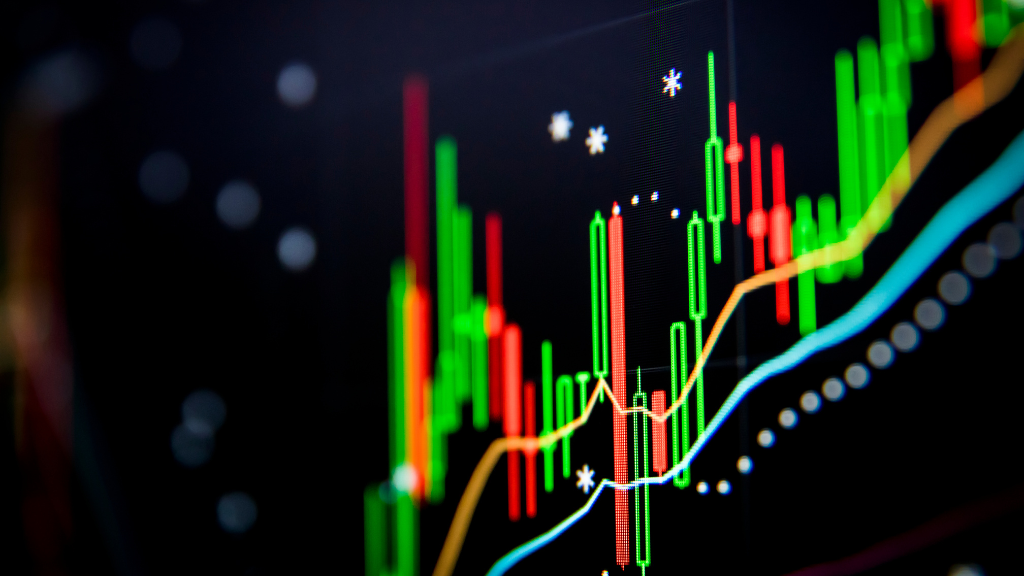
Traders first see charts, prices and simple tools when they open their trading platform. But that’s only a small portion of the total system. In actuality, the work on a trading platform starts much earlier than the development of the user interface. After creating the user interface, the next step for developers is creating the technical infrastructure, which consists of a series of servers, network connections, and data systems that allow a trading platform to support thousands of simultaneous trades and to function well during active market times without an underlying foundation of these elements.
The next stage is the system architecture, where the engineers will determine how the various components of the trading platform will work together. For example, the trading engine must be linked to the price feeds, liquidity sources, and risk management systems of the trading platform. Because all of these items will work together simultaneously, the design and structure of the trading platform must be very carefully established.
Once the system architecture has been established, integrations with other systems will be added. In order for the trading platform to operate effectively in the financial ecosystem, it is common for many modern systems to integrate with payment systems, analytics systems, and security systems.
Lastly, the trading platform undergoes extensive testing to ensure its stability and security. After all these steps have been successfully completed, the trading interface will be added to the trading platform. This is the last component of a well-designed technology product that has been created to allow traders access to global capital markets.