

The Life Cycle of a Trade: Step by Step
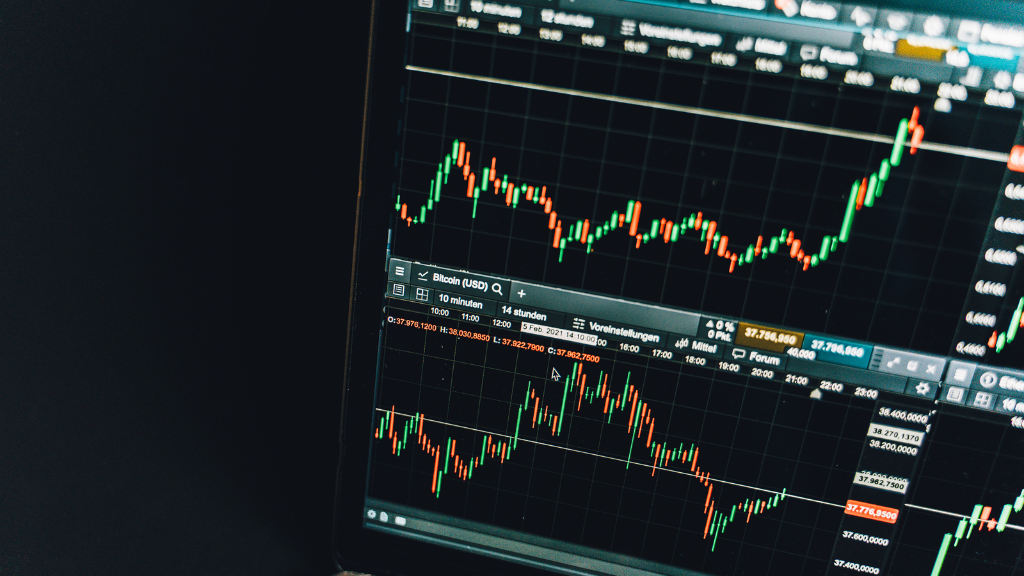
The moment a trader presses the “buy” or “sell” button on their trading platform, a multitude of processes are triggered in the background to fulfil the trade. When the order is sent into the platform, it passes basic checks to ensure the trader has excess margin and follows the specified rules of the trader’s market. Once the order passes these tests, it moves to the execution layer of the broker’s infrastructure.
The next step is to route this order to the various liquidity pools connected to the trading platform. After reaching one of these pools, the trade will be matched with a counterparty and executed at the current market price. As a result of the execution, the platform will confirm the trade on an immediate basis and denote it in the trader’s account under the trades that were executed. The newly executed trade will be populated in both their open positions as well as their trading history.
While the trader only sees the confirmation in the trading platform, the life cycle of the trade continues in the background due to two reasons. First, the clearing systems are reconciling the trade according to standards between the financial institutions. Second, there is also a settlement process that finalises the financial obligations associated with the trade and its completion.
Although traders are only able to see the final confirmation of their trade, there are many systems working together to provide complete accuracy and reliability to the traders within today’s electronic markets.